Why Effort Without Design Never Scales
 David R. Ibarra
There is a ceiling that almost every high-growth dealership eventually hits.
It does not announce itself. It arrives gradually, disguised as a busy season, a staffing challenge, or a month where the numbers just did not come together the way they should have. The leader who built the first location through personal effort, force of will, and the ability to be everywhere at once begins to notice that the same approach that created success is now preventing it from growing. The hustle that built the business is starting to become the ceiling of it.
The store that ran on hustle begins to show the cracks that hustle always eventually reveals. Execution becomes inconsistent because it depends on who is working that day. Leadership fatigue sets in because the people at the top are carrying weight that should be distributed across a system. The culture performs when the right personalities are present and drifts the moment those personalities step away. What looked like a high-performing organization turns out to be a high-performing individual surrounded by people who are compliant rather than capable.
The problem is not the effort. The effort is real and it produced real results. Without that effort, the organization would not exist. But effort is not a scalable system. It is a starting point. And the leaders who mistake a starting point for a permanent strategy eventually find themselves working harder every year to produce the same results, or watching those results slowly decline as the limits of personal bandwidth become impossible to outrun.
Murdock Auto Group went from 40 units per month and one rooftop to 400 units and nine rooftops. That kind of growth is not an effort story. No individual works ten times harder to produce ten times the result. That kind of growth is a design story. It required a deliberate organizational architecture that could produce consistent results independent of any single person's presence, energy, or availability on any given day.
Leadership Summit
Transform your dealership with proven strategies from industry leaders. Join the conversation that's reshaping automotive leadership.
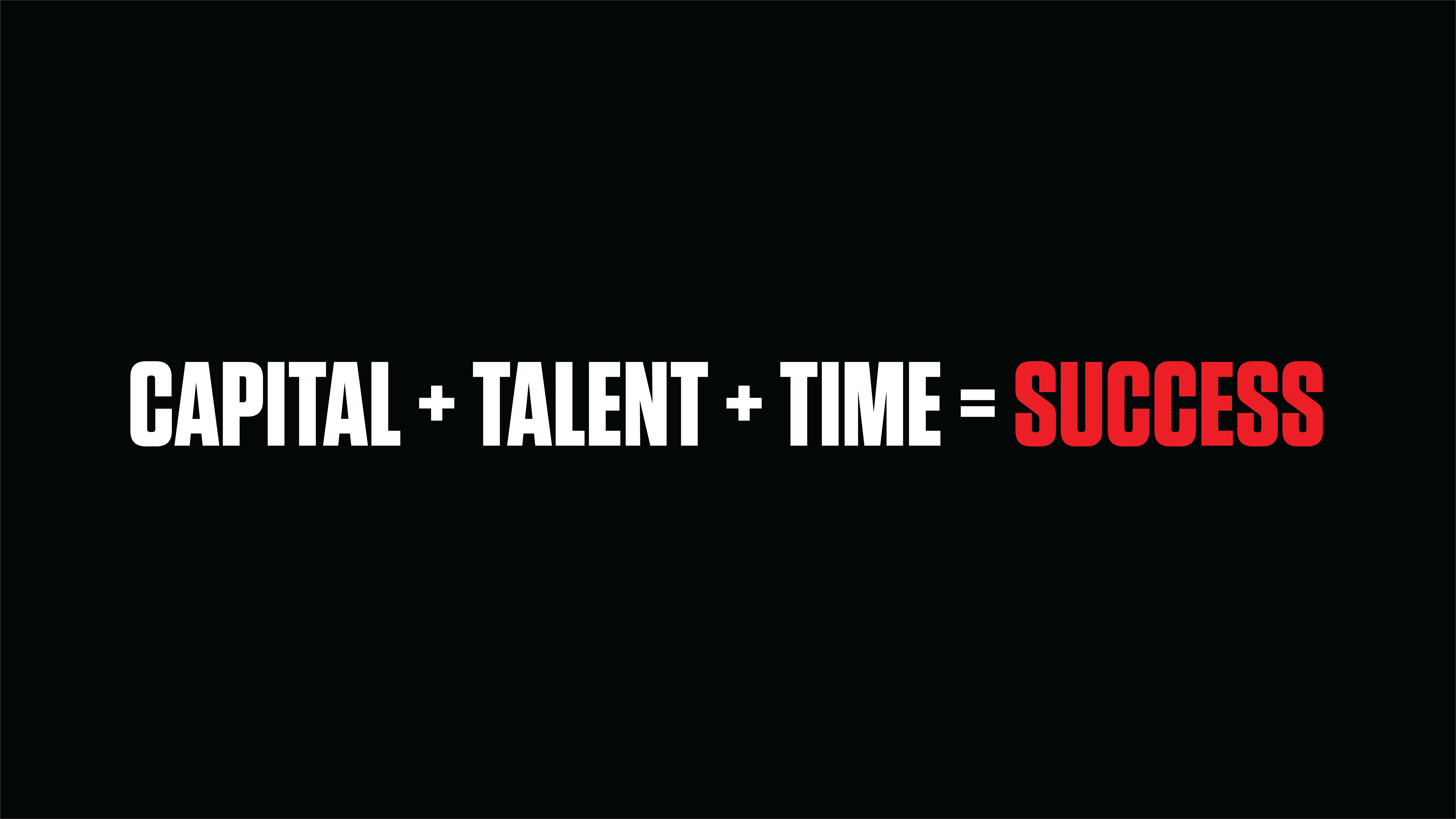
Learn MoreHOW POWER organizations are built at the intersection of three forces: capital, talent, and time. These three elements, aligned through disciplined thinking and consistent execution, are the actual engine of scalable performance. Without all three working together in the right proportion, you have an organization that is either underfunded and unable to invest in its own growth, understaffed and unable to deliver the standard it has committed to, or so rushed in its execution that quality is constantly being compromised in the name of throughput.
The shift from effort-based to design-based leadership requires three commitments. Most leaders resist all three until they have already hit the ceiling and have no choice but to make them.
The first is the commitment to process documentation. What the best people in your organization do intuitively, the way your top salesperson handles an objection, the way your best manager runs a coaching conversation, the way your service advisor builds trust in the first two minutes of a customer interaction, needs to be made explicit, written down, and transferable to people who do not yet have that intuition. Undocumented processes live in the heads of individuals and leave the organization when those individuals do. Documented processes live in the organization and compound over time regardless of who joins or who leaves.
The second is the commitment to developing people rather than managing activity. Leaders who manage activity build organizations that stop the moment the manager stops watching. Leaders who develop thinking build organizations that continue because the team has internalized the standard and owns it personally rather than complying with it under supervision. That internalization is the difference between a culture that holds and a culture that drifts.
The third is the commitment to measuring the right things. Effort-based organizations measure inputs: calls made, hours worked, floor ups taken. Design-based organizations measure inputs and outputs, but more importantly they measure the quality of the experience being delivered and the habits being practiced daily. These are the leading indicators that reveal where results are heading weeks before the month-end report confirms it. Leaders who track lagging indicators are always reacting. Leaders who track leading indicators are always preparing.
Leaders who develop thinking build organizations that continue because the team has internalized the standard and owns it personally rather than complying with it under supervision.
Effort built your dealership. It deserves respect for that. But design is what will scale it.
The ceiling you are approaching is not a market problem. It is not a competition problem. It is not a staffing problem, a traffic problem, or an inventory problem.
It is an architecture problem. And architecture is entirely within your control.
Never Miss an Insight
Dealership strategies, industry trends, and expert advice delivered straight to your inbox.
Subscribe NowLet's Talk Strategy
Book a free consultation. We'll discuss your dealership's challenges and map out a path forward.
Schedule a ConversationFree Dealership Tools
Performance calculators, diagnostics, and benchmarks built to help you find exactly where your dealership is leaving money on the table.
Explore Free Tools